
Why Roofs Get Moss in Auckland, And What to Do About It
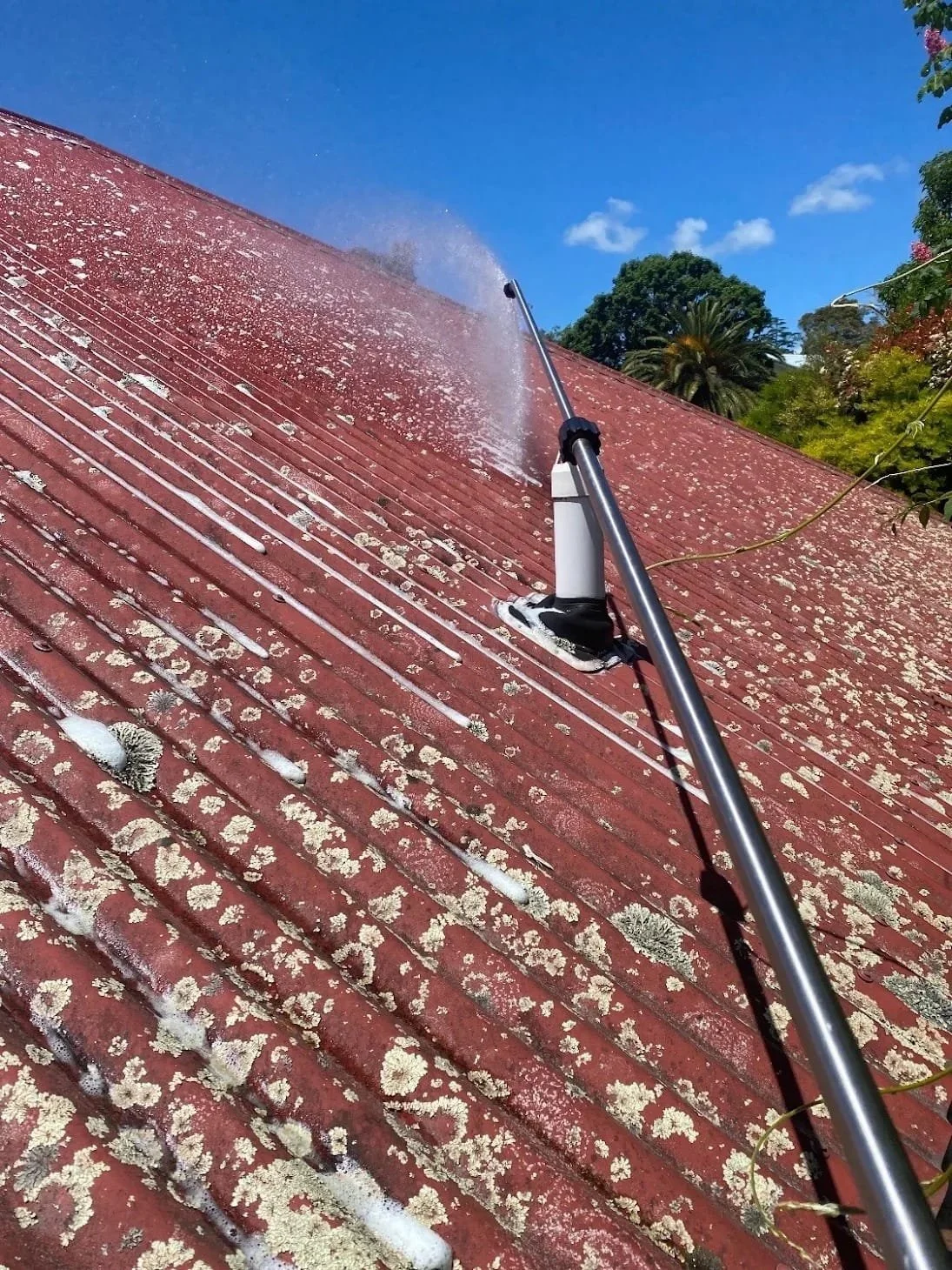
Looked up at your roof lately and noticed the colour’s not quite what it used to be? Green patches creeping across the tiles, maybe a dark streak or two along the ridge. You’re not imagining it, and you’re definitely not alone.
There’s a reason why roofs get moss in Auckland faster than almost anywhere else in the country. It comes down to our weather, and honestly, the leafy streets so many of us love living on. But once you know why it’s happening, dealing with it (and keeping it from coming back) becomes a lot simpler.
Why Moss is an Issue for Auckland Roofs
Moss doesn’t just turn up overnight. It needs the right conditions to take hold, and Auckland happens to tick almost every box. But two factors do most of the damage: how wet it stays, and how much cover it gets.
Rain and Humidity That Never Fully Dries Out
Auckland gets rain more often than most of the country, and it’s rarely the heavy, over-and-done kind. It’s the drizzly, on-and-off type that keeps everything damp for days at a time.
That matters for your roof because moss needs sustained moisture to establish itself, not just a quick soak. If your roof doesn’t get a proper chance to dry out between one shower and the next, you’ve basically built moss a home. South-facing sections and areas shaded by a neighbouring roofline usually take the hardest hit, since they get the least direct sun to dry out.
Auckland’s Tree Cover Adds Fuel
It's not just the rain doing the damage. Auckland's leafy streets, especially the older, established suburbs with mature native trees, add another layer to the problem.
Overhanging branches drop leaves, twigs, and pollen onto your roof, and that debris sits there holding moisture against the tiles or iron long after the rain stops. Combine that with Auckland's damp climate, and roof moss becomes a problem: shade keeps things cool, debris keeps things wet, and the roof underneath barely gets a chance to breathe.
If your place backs onto bush or sits under a decent tree canopy, it's worth checking your roof more often than someone on an open, sunny section would need to.
Why it Matters More Than You Think
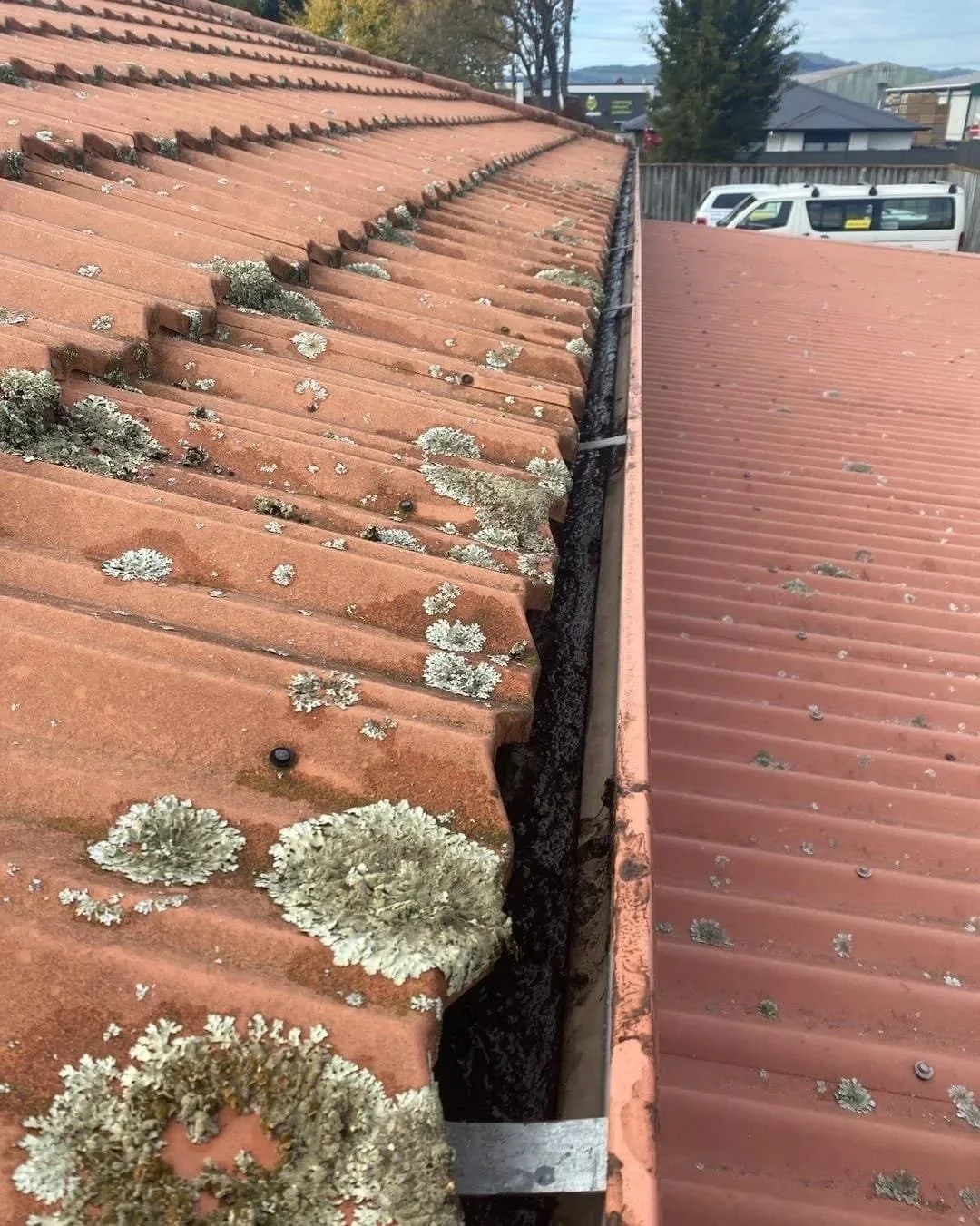
Moss might look like a cosmetic issue, but it doesn't stay that way for long. Once it takes hold, it acts like a sponge on your roofing material, holding water against tiles or iron far longer than rain alone would.
On tiled roofs, that constant moisture can lift and loosen tiles over time. On metal roofs, it speeds up corrosion, especially where the paint coating has any small chips or scratches.
It doesn't stop at the roofline either. Moss and debris wash into your gutters, and a blocked gutter means water backs up instead of draining away, which is why it's worth pairing roof treatment with gutter cleaning.
The Best Way to Remove Moss From Your Roof
So you’ve spotted the moss, but now what? There’s no shortage of advice out there, but not all of it is safe for your roof. The best way to remove moss from your roof surfaces comes down to matching the right method to the material.
Softwash vs Waterblasting: What's Actually Different
Waterblasting uses high pressure to strip moss straight off the surface. It works fast, but that same pressure can crack tiles, strip protective coatings, and force water up under the ridge caps where it doesn't belong.
A softwash treatment takes a gentler approach. Instead of blasting the moss off, it treats the roots at low pressure, so growth lifts away over the following weeks rather than all at once. It’s slower to show results, but it’s less likely to damage the roof underneath.
Why DIY Moss Removal Can Backfire
It’s tempting to grab a scrubbing brush or hire a pressure washer for the weekend and sort it yourself. But roofs aren’t as forgiving as driveways or decks.
Scrubbing can crack or dislodge tiles, especially older concrete ones that have gone brittle with age. Using a hired waterblaster on the wrong setting can strip protective coatings in seconds, and there’s the safety side of things too: wet, mossy roofs are slippery, and most homeowners aren’t set up to work safely at such heights.
Roof Care in Auckland to Keep Moss from Coming Back
Getting rid of moss once is only half the job. Good roof care in Auckland means staying ahead of it, rather than waiting until it’s spread across half your roof again.
Given how quickly our region’s conditions let moss re-establish, most homes benefit from a mould, moss, and lichen treatment every 12–18 months rather than waiting until it’s visibly bad. Shaded or tree-covered roofs may need checking closer to the 12-month mark, while open, sun-exposed sections can usually wait a bit longer between treatments.
Clearing overhanging branches back from the roofline also helps, since less debris means there’s less moisture sitting there in the first place. If you’re not sure where your roof sits on this scale, professional moss and lichen treatment will usually flag it, along with a realistic timeline for booking the next one.
As part of your roof maintenance in Auckland, we recommend pairing this with a regular gutter clear-out to keep the whole system working as it should.
What TLC Softwash Does Differently
Not every roof needs the same treatment, and that’s the mindset we bring to every job we take on. Our team knows Auckland well, from the leafy, tree-covered streets to the exposed coastal sections, and we treat each roof according to what it needs rather than using a one-size-fits-all solution.
If your roof’s looking a bit worse for wear, get in touch for a free quote, and we’ll talk you through exterior cleaning in Auckland.