How Long Does Roof Cleaning Last in New Zealand?
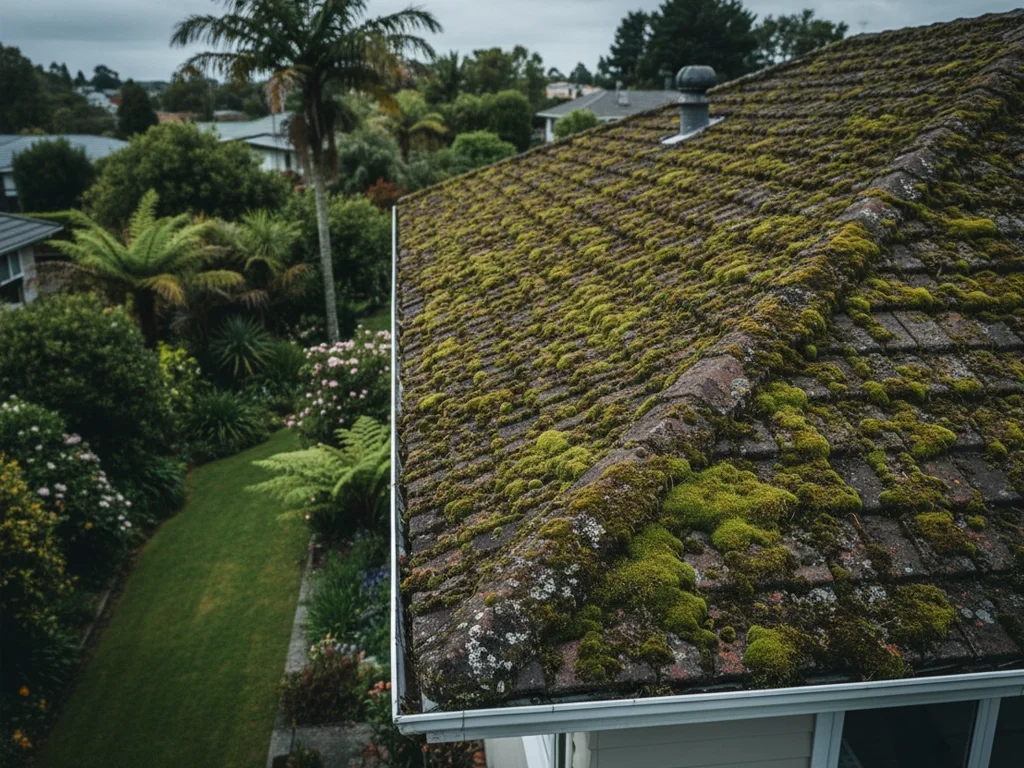
Maintaining a home in the unique climate of Aotearoa involves a constant battle against the elements. One of the ways to combat the dirt and long-term damage of the elements is through proper roof cleaning and house washing. Our team knows that keeping a home pristine requires consistent effort, making the durability of a wash a key concern for our clients.
Homeowners often ask us how long the results of a roof treatment will actually endure before the green fuzz or black streaks return. Because New Zealand experiences high humidity, intense UV radiation, and salt-laden winds, the answer depends on several environmental factors.
We understand that your home is your most significant asset, so we focus on delivering results that provide lasting value rather than just a temporary fix.
In this article, you’ll learn:
Why our spray and leave application method is superior.
How to identify the ideal maintenance schedule to extend the life of your roofing materials.
The specific New Zealand environmental factors, like salt spray and shade, dictate how many years your home stays pristine.
And so much more!
So, How Long Does A Proper Roof Cleaning Last?
On average, a professionally cleaned roof in New Zealand typically lasts between 18 months and 3 years, depending on your local microclimate and surrounding vegetation. We find that homes in high-sun areas often stay clear for longer, while properties in shaded or coastal environments may require a maintenance treatment sooner to keep moss and lichen at bay. However, it is still recommended to have your roof treated every 2 years to keep it looking its best.
What Roof Cleaning Actually Removes
Our team sees a variety of organic growth on local roofs. Removing these isn't just about making the house look better for the neighbours. These organisms can physically degrade your roofing materials over time.
Moss Growth
Moss acts like a sponge, holding onto moisture against your roof surface for extended periods. In the damp New Zealand winter, this moisture can seep into the underlying structure. Moss roots, or rhizomes, can work their way into the gaps of concrete tiles or under the edges of metal sheets. Once these roots take hold, they expand and contract with temperature changes, potentially loosening fixations or cracking tiles.
Lichen and Algae
Lichen is a particularly stubborn combination of algae and fungi. It produces acids that etch into the surface of stone or concrete tiles. Removing it requires a specialised approach because it anchors itself so firmly. You might also notice a black, soot-like substance on your roof, which is often Gloeocapsa magma, a hardy type of cyanobacteria. These organisms thrive on the minerals found in certain roofing materials and create those unsightly dark patches that absorb heat and increase your cooling costs in summer.
Dirt, Debris and Air Pollution
General environmental grime accumulates over the years. Pollen, dust, and carbon emissions from traffic settle into the texture of your roof. These layers of dirt provide a fertile bedding for spores to land and grow. Keeping these surfaces clear of organic matter prevents the biological cycle from starting in the first place.
How Roof Cleaning Works
We believe in a science-based approach to property maintenance. Traditional methods often relied on brute force, but we have refined our techniques to prioritise the integrity of your home.
TLC Softwash’s proven process for roof treatment in NZ involves applying a specialised solution that stays on the surface to do the heavy lifting. We apply the treatment and allow the weather to assist in the process. Over the following months, the rain gently washes away the dead organic matter.
This gradual process is much safer for the roof structure and ensures that the cleaning agents reach every nook and cranny where spores might be hiding.
How Long Do Roof Cleaning Results Usually Last
The duration of a clean roof depends on the environment surrounding your property. While we provide high-quality results, the natural world is always trying to reclaim the surface.
Typical Lifespan of Roof Cleaning
Most homeowners can expect a professionally cleaned roof to remain free of significant regrowth for approximately 2 years. Some properties might even stay clean for up to five years if the conditions are ideal. Regular roof cleaning prevents the build-up of heavy biomass, meaning subsequent cleans are often faster and less intensive. We find that a proactive approach keeps the roof looking pristine year-round.
Why Some Roofs Stay Clean Longer
Roofs with high sun exposure often stay clean for longer periods. UV rays act as a natural disinfectant, making it harder for moss and algae to establish a foothold. Properties with excellent ventilation and minimal overhanging trees also tend to see extended results. If your roof dries quickly after rain, the organic growth has less opportunity to hydrate and spread.
4 Major Factors That Affect Roof Cleaning Longevity
Every street has its own microclimate. These local variations dictate how quickly nature tries to move back onto your tiles.
1. Shade From Trees and Vegetation
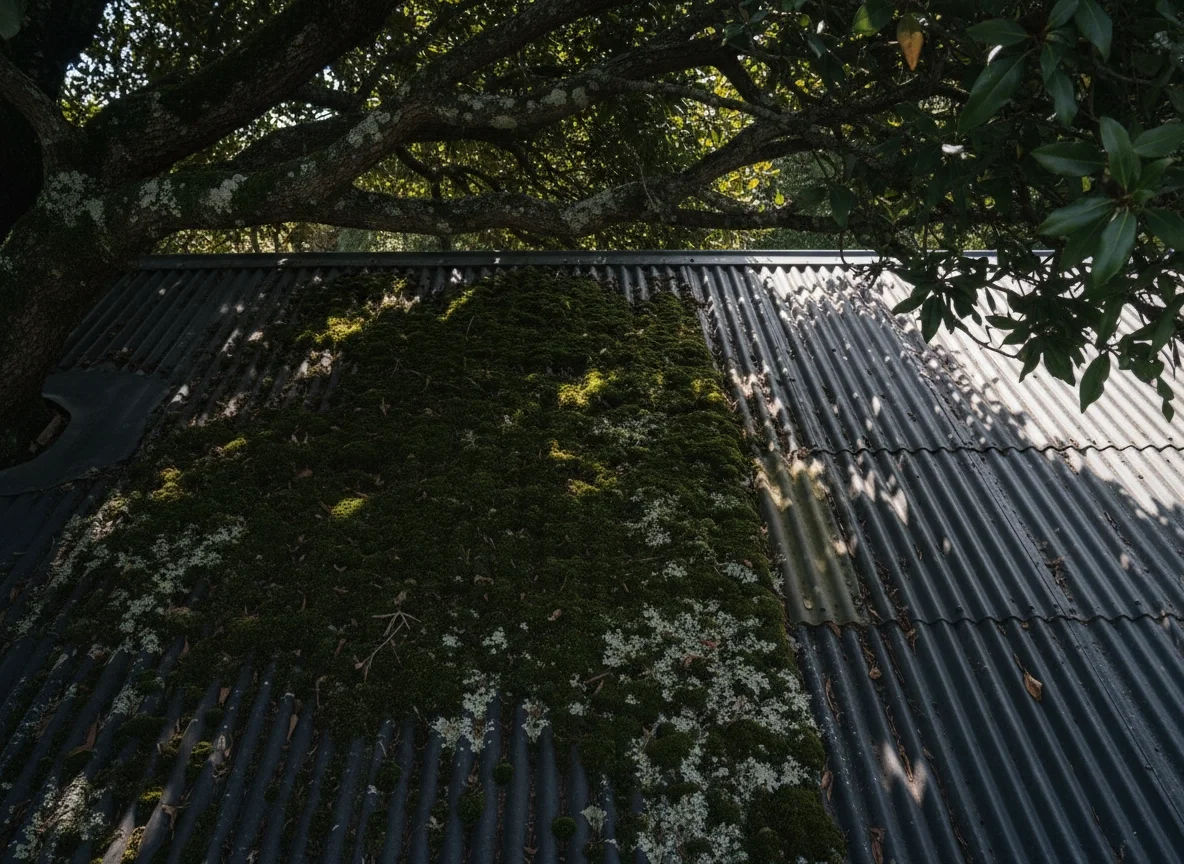
Large trees provide beautiful shade, but they also drop organic debris and spores directly onto your roof. Shaded sections of a house stay damp for much longer than sun-lit areas. If parts of your roof never see the sun, they become a breeding ground for moss. We often notice that the southern side of a New Zealand home requires more frequent attention than the northern side.
2. Roof Pitch and Drainage
Steeply pitched roofs tend to stay cleaner because water runs off them rapidly. Flatter roofs or areas with complex valleys can trap water and debris. Poorly maintained gutters also contribute to the problem. If water backs up under the bottom row of tiles, it creates a damp environment that encourages lichen growth along the eaves.
3. Roof Surface Condition
Older roofs with porous surfaces are more prone to rapid regrowth. When the original factory coating wears thin, the material becomes more "breathable" and holds onto moisture. We recommend roof cleaning as a way to extend the life of these coatings. By removing the abrasive lichen and moss, we stop the accelerated weathering of the substrate.
3 Signs Your Roof Needs Cleaning Again
Monitoring the condition of your roof helps you catch growth before it causes damage. Identifying these signs early can save you money on more intensive repairs later.
1. Black Streaks or Dark Patches
Dark streaks are usually the first sign of an algae infestation. These often start near the ridgeline or around chimney flashings where water lingers. If you notice the colour of your roof changing or becoming patchy, the biological colonies are beginning to spread. Catching this early makes the roof cleaning process much more effective.
2. Visible Moss Growth
Once you can see green clumps from the ground, the moss has already established a significant root system. These clumps trap silt and dirt, creating a miniature ecosystem on your roof. Large patches of moss can lift the edges of shingles or tiles, creating pathways for water to enter your roof cavity.
3. Blocked Gutters From Roof Debris
If you find yourself cleaning your gutters every few weeks because they are full of grit and moss balls, the source is likely your roof. Moss that dies, detaches, and falls into the gutter system can lead to overflows that damage your internal ceilings or rot your fascia boards.
How Often Should You Book Roof Cleaning in NZ?
Establishing a routine is the best way to protect your investment. We work with many clients to set up a schedule that suits their specific location.
Recommended Maintenance Schedule
We generally suggest a professional assessment every two years. For houses in heavily wooded areas or high-humidity zones, an annual roof cleaning might be necessary to stay ahead of the moss/mould and lichen. Consistent maintenance is far more cost-effective than waiting for the roof to be completely covered in growth.
Preventative Roof Treatment
We recommend having your roof treated every 1 to 2 years as a proactive measure to keep it in optimal condition. This maintenance schedule stops moss, algae, and lichen from gaining a foothold before they can cause real damage. A simple, regular treatment is all most New Zealand roofs need to stay clean and structurally sound. And besides, it is far more cost-effective than waiting until the growth becomes a serious problem.
Why Leaving It to the Experts Is Safer
Clambering onto a roof with a bucket and a brush is a recipe for disaster. Working with an experienced team offers more than just a clean surface; it means safety and expertise.
Safety Risks of DIY Roof Cleaning
Falls from heights are a leading cause of injury in New Zealand. Roofs are incredibly slippery when wet, especially when covered in algae or soap. Without the correct harnesses and anchor points, the risk is simply too high. Furthermore, walking on tiles incorrectly can cause them to crack, leading to leaks that you might not notice until the next big storm.
Professional Equipment and Treatments
We use specialised equipment designed specifically for the industry. Our pumps allow us to apply treatments from ladders or the ground whenever possible. We also have the expertise to handle roof lichen removal without damaging the underlying material. Industry-grade solutions are more effective than off-the-shelf products and are applied at precise concentrations to ensure safety for your property.
How to Choose a Cleaning Team for Your Roof
Selecting the right team is crucial for getting the best results. You want to ensure that the people working on your home are qualified and conscientious.
Experience With Moss and Lichen Removal
Not all cleaning companies understand the biology of roof growth. Ask potential providers about their specific process for dealing with stubborn lichen. An experienced team will explain why they use certain chemicals and what the expected timeline for results will be.
At TLC Softwash, we take pride in our deep understanding of the local flora that affects Kiwi homes.
Insurance and Safety Standards
Reputable contractors will always have comprehensive liability insurance. This protection ensures that if a tile is accidentally broken or a leak occurs, you are not left with the bill.
We maintain high safety standards, including Sitewise Gold status, to give our clients total peace of mind while we are on-site.
Local Knowledge of NZ Roofing Materials
New Zealand has a mix of concrete tiles, clay tiles, pressed metal tiles, and long-run iron. Each material requires a slightly different approach. A local expert knows which products are safe for a Coloursteel roof versus a terracotta one.
We tailor our roof cleaning process to the specific needs of your cladding and roofing type.
Frequently Asked Questions About Roof Cleaning
We receive many questions about the safety and efficacy of our methods. Here are some of the most common queries from our customers.
Does roof cleaning damage roofing materials?
Our roof treatment process is designed to be exceptionally gentle on your roofing materials. By applying a specialised treatment solution directly to the surface, we protect the structural integrity of your roof throughout the entire process.
Treatment actually prevents damage by eliminating the moss, mould, and lichen that cause long-term erosion, warping, and cracking of roofing materials. We focus on preserving the lifespan of your roof through careful, targeted application that gets to work over the weeks and months that follow.
Can roof moss grow back after cleaning?
Moss will eventually return because spores are constantly floating in the air. However, a professional clean removes the existing root systems and sanitises the surface. This reset means it takes much longer for new colonies to establish. Regular maintenance treatments from our team can keep moss away indefinitely.
Is roof treatment safe for gutters and gardens?
We take extensive precautions to protect your landscaping. Our biodegradable solutions are diluted to safe levels, and we pre-wet nearby plants to prevent runoff from being absorbed. We also manage the flow of water into your gutters to prevent any concentrated chemicals from sitting in your drainage system. Protecting your garden is just as important to us as cleaning your house.
Contact Us for Roof Treatment and Cleaning in New Zealand
Choosing the right team makes all the difference in the world. At TLC Softwash, we treat every home as if it were our own. This ensures that we leave your property in better condition than we found it.
We have spent years perfecting our methods to suit the unique environmental challenges of NZ homeowners and beyond. Our commitment to using eco-friendly products means you can enjoy a beautiful, clean home without worrying about the impact on the local ecosystem.
If you are tired of looking at a dirty roof or worried about the damage moss might be causing, we are here to help. Our team handles everything from the initial inspection to the final rinse.
We believe that a clean roof is the crowning glory of a well-maintained home. Getting the job done by a team that knows NZ roofs ensures it's completed safely, effectively, and with the longevity of your roof in mind. Contact us today and look forward to the difference that a bit of TLC can make to your property.